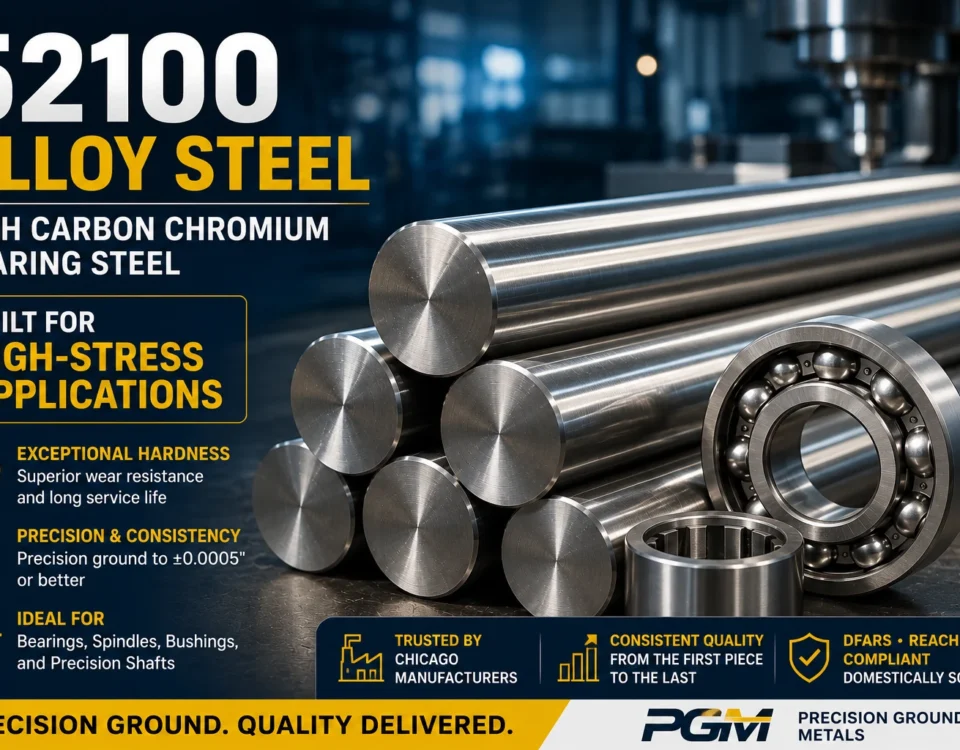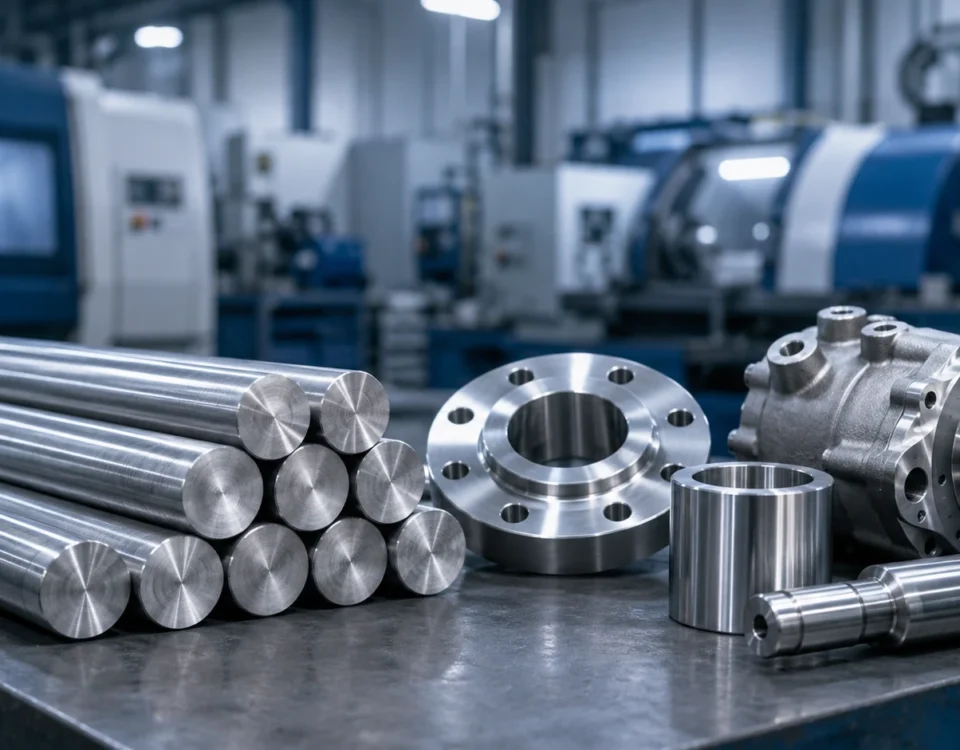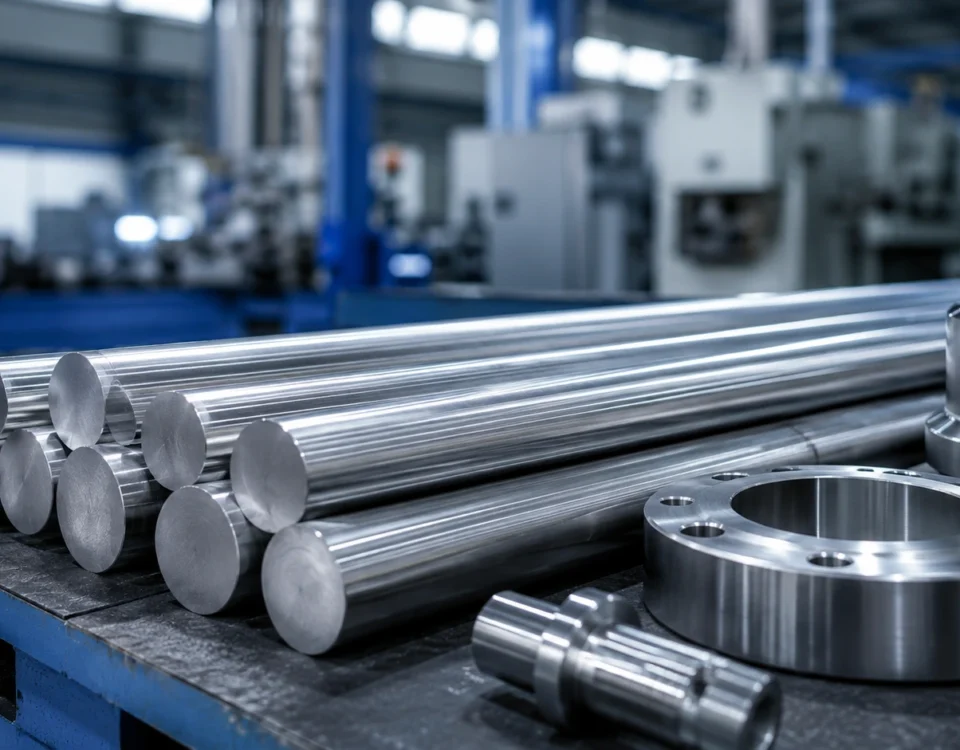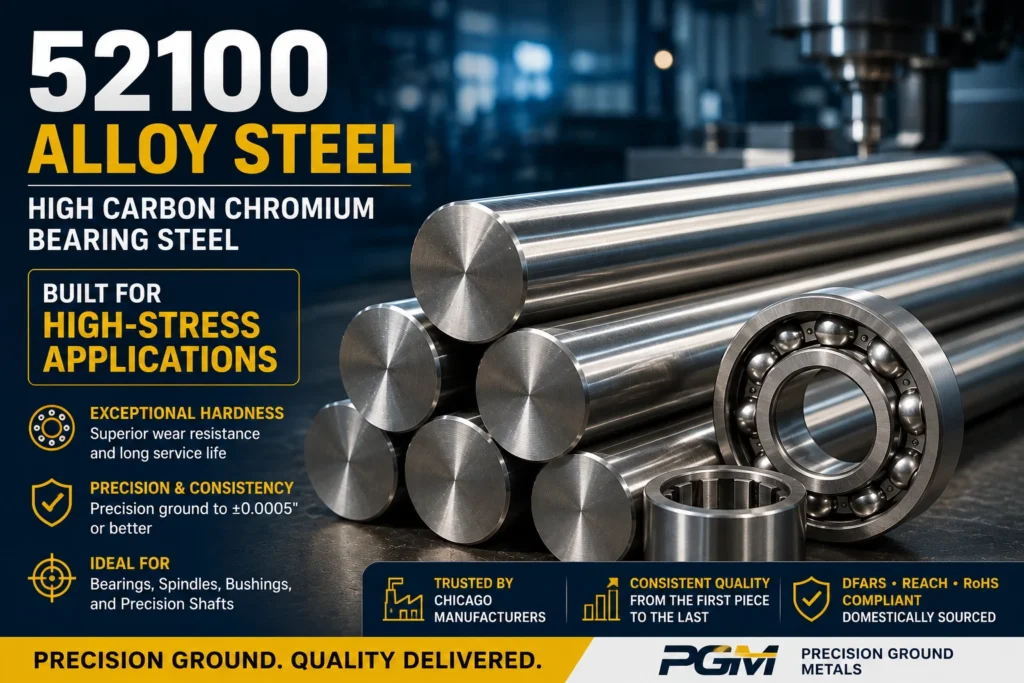
What Is 52100 Alloy Steel and Why Chicago Bearing Manufacturers Rely on It for High-Stress Parts
August 11, 2026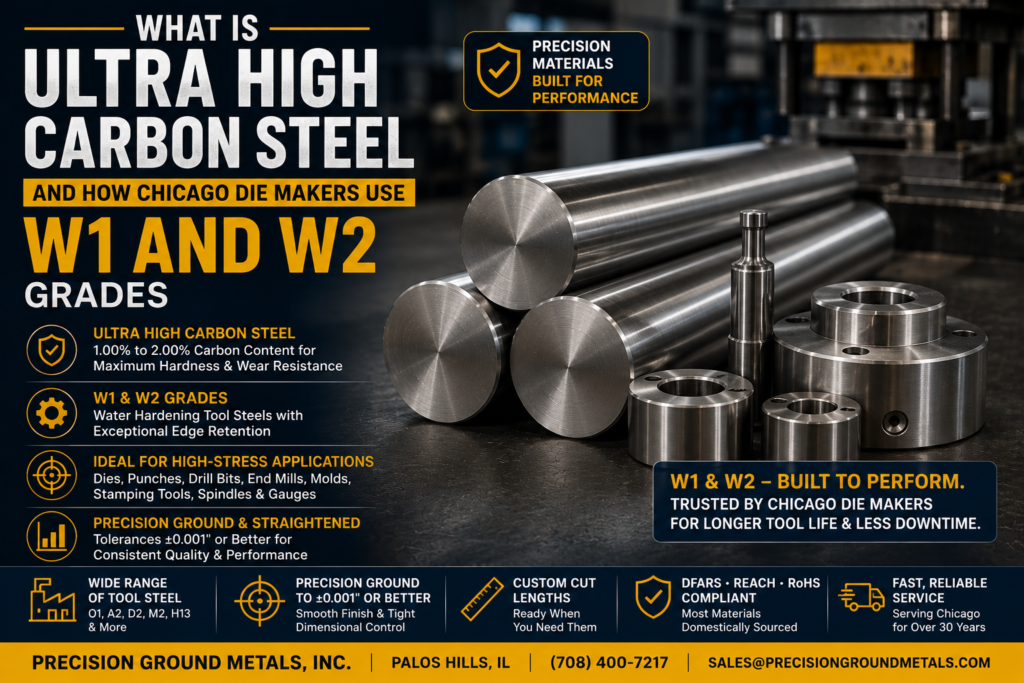
If you run a tool and die shop in Chicago, you already know that standard steel grades wear out faster than your production schedule allows. Punches lose their edge. Dies drop out of tolerance. When that keeps happening, the material is usually the problem, and ultra high carbon steel is often the answer.
W1 and W2 are the grades die makers reach for when hardness and edge retention matter most. At Precision Ground Metals in Palos Hills, IL, we stock both round bar and precision-ground form. This post breaks down what these grades are, how they perform, and where they fit in real die shop work.
Ultra High Carbon Steel and How W1 and W2 Serve Chicago Tool and Die Work
Carbon content defines how steel behaves in production. Ultra-high carbon steel runs from 1.00 to 2.00 percent carbon, which puts it above every other classification. Low carbon grades like 1018 sit between 0.05 and 0.30 percent. High carbon grades top out at 1.00 percent. W1 and W2 push past that ceiling entirely.
That extra carbon delivers surface hardness and wear resistance that lower classifications simply cannot reach. The tradeoff is reduced toughness under impact. For dies, punches, cutting tools, and gauges, that tradeoff is acceptable because those applications need a hard-working surface far more than they need impact resistance.
W1 and W2 in the Tool Steel Family
W1 and W2 are water hardening grades, meaning they reach working hardness through water quenching during heat treatment. Both fall under the W-grade classification in our tool steel lineup, which also covers oil hardening, air hardening, high speed, hot work, cold work, shock resisting, and plastic mold grades.
Both grades machine cleanly in the annealed state before heat treatment. That matters because you’re shaping the part while the steel is still soft. Clean machining at that stage keeps cycle times down and reduces tooling wear before the real work even begins.
Applications in Die and Punch Work
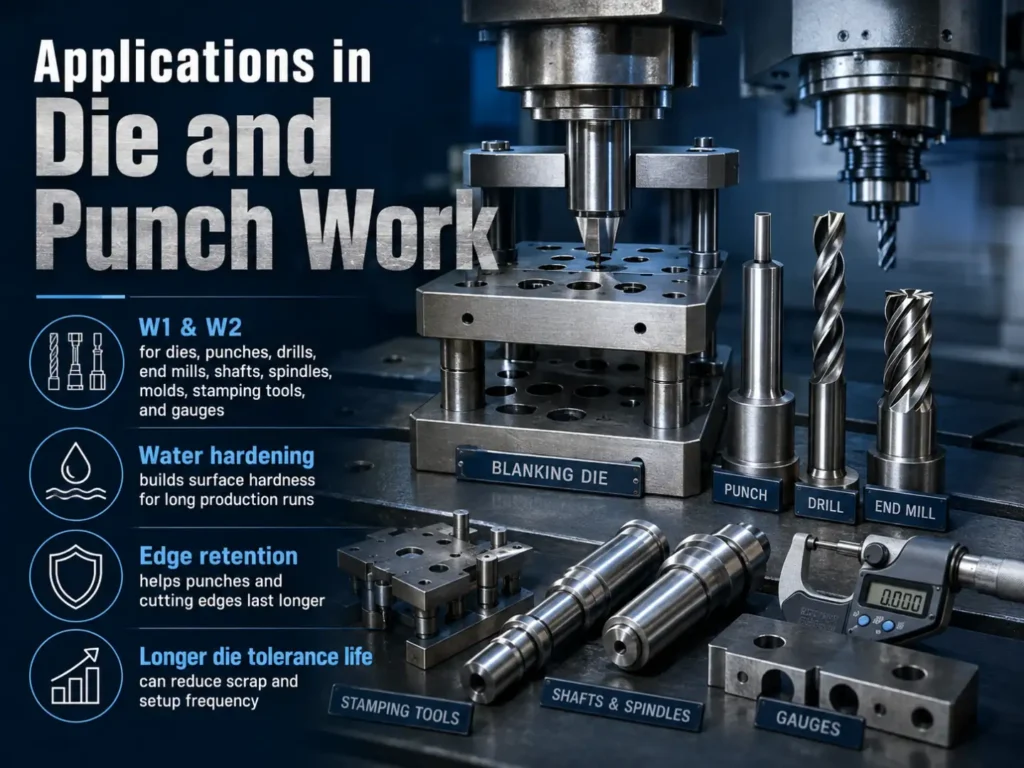
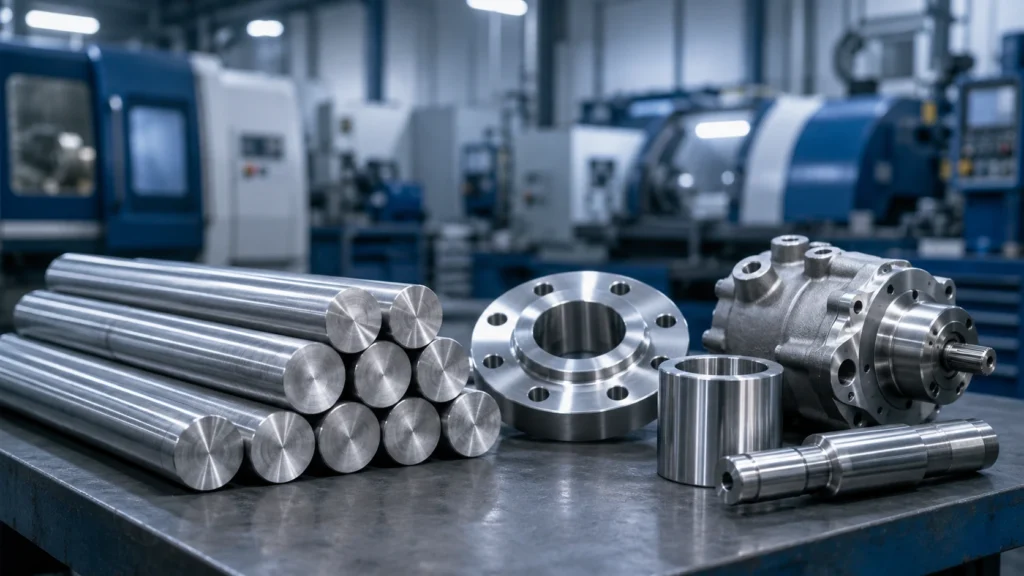
W1 and W2 show up in dies and punches, drill bits, end mills, shafts, spindles, molds, stamping tools, and gauges. These are exactly the components Chicago die shops produce week after week. The water hardening process builds the surface hardness that protects a punch face or cutting edge through long production runs.
Edge retention is what separates a grade that holds up from one that doesn’t. When a blanking die stays in tolerance longer, your scrap rate drops and your setup frequency goes down. That’s the practical reason die makers in this region continue to specify W1 and W2 for high-cycle tooling.
Precision Ground Form and Tolerances
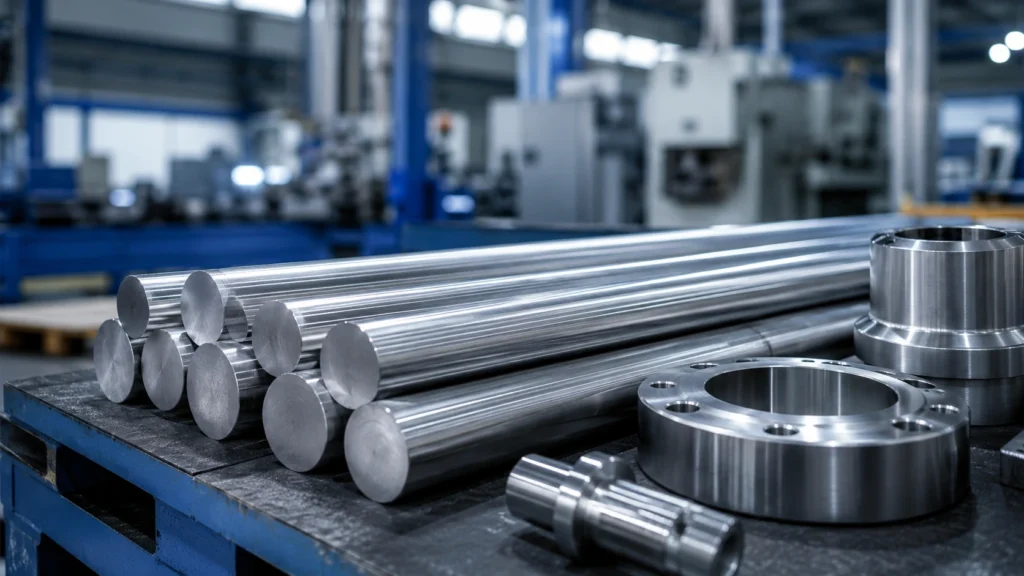
Our precision-ground tool steel is held to tolerances of ±0.001 inch or better. That means every bar arrives with a consistent diameter and a smooth surface finish already established. You’re starting from a clean baseline rather than compensating for rough incoming stock on your own machines.
We straighten every bar to strict straightness tolerances before it ships. Chamfering is available for burr-free ends that seat cleanly on installation. Custom cut lengths are also available, so you receive exactly what you need and nothing that has to be machined away on your floor.
Other Tool Steel and Alloy Grades Precision Ground Metals Carries
Our tool steel inventory extends well beyond W1 and W2. O1 offers good wear resistance and clean machinability. A2 delivers higher toughness and better dimensional stability. D2 is a high-carbon, high-chromium grade built for excellent wear resistance. M2 handles heat for cutting applications. H13 is our hot work grade for dies and molds under high temperature conditions.
If your job calls for alloy steel, we carry 4140, 4340, H13, and D2 ground to ±0.0005 inch or better. Carbon steel precision-ground bars in 1018, 1045, O1, A2, and 4140 are available at the same tolerance. Sourcing multiple grades from one supplier in the Chicago area keeps your procurement process straightforward.
Compliance and Domestic Sourcing
Most of our materials are domestically sourced, which simplifies compliance for procurement teams managing regulated projects. We maintain compliance with DFARS, REACH, and RoHS on every order, so the documentation your team needs is already in place before your purchase order moves.
We’ve been supplying tool steel, alloy steel, carbon steel, and specialty grades to manufacturers in the Chicago area for over 30 years. That history means we understand what die shops and machining operations need from a bar stock supplier, and we build our process around getting it right every time.
Request a Quote for W1, W2, or Any Tool Steel Grade
When your application calls for the hardness and wear resistance that ultra-high carbon steel delivers, we’re ready to help you source the right grade. Submit a quote request on our website, call us at (708) 400-7217, or email sales@precisiongroundmetals.com.
Precision Ground Metals is open Monday through Friday from 7 AM to 5 PM and Sundays from 7 AM to 5 PM, serving tool and die shops and precision machining operations throughout the Chicago area from our facility in Palos Hills, IL.
FAQs
What carbon content defines ultra-high carbon steel?
Ultra high carbon steel contains between 1.00 and 2.00 percent carbon. W1 and W2 are the primary grades in this classification.
What are W1 and W2 used for in a die shop?
Both grades go into dies, punches, drill bits, end mills, molds, stamping tools, spindles, and gauges.
What tolerances do you hold on precision-ground tool steel?
Precision Ground Metals holds ±0.001 inch or better on precision-ground tool steel. Straightening, chamfering, and custom cut lengths are also available.
Do you carry other tool steel grades beyond W1 and W2?
Yes. We stock O1, A2, D2, M2, H13, and additional grades across multiple classifications. Contact us to confirm availability.