What Is Ultra High Carbon Steel and How Chicago Die Makers Use W1 and W2 Grades
August 14, 2026
C360 vs. C464 Brass Round Bar: Which Alloy Fits Precision-Machined and Marine Components?
September 15, 2026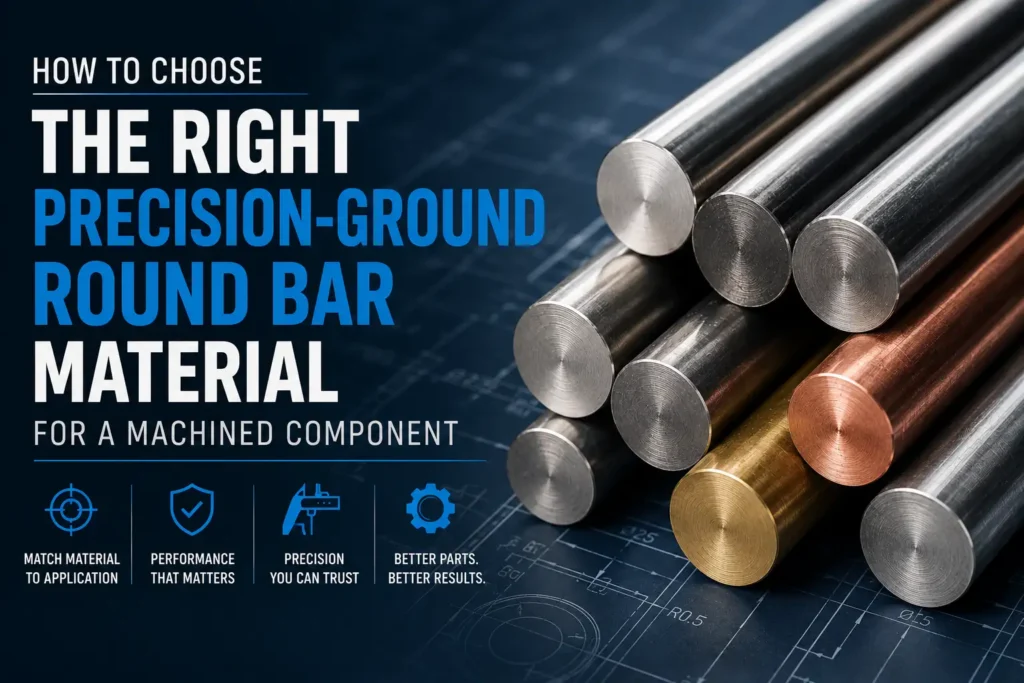
Choosing the right precision-ground round bar material starts with the component, not with the material catalog. The part’s application, required material properties, machining requirements, dimensional tolerance, and final operating environment should narrow the material family before you move into individual grades. At Precision Ground Metals, we work with both ferrous and non-ferrous round bar materials, including stainless steel, alloy steel, carbon steel, aluminum, brass, bronze, copper, titanium, and tool steel.
That range gives manufacturers plenty of options, but it also makes specification more important. A shaft, bearing component, electrical connector, die component, hydraulic part, or aerospace component may require a very different combination of properties. Material family, grade, bar condition, dimensional tolerance, surface finish, and downstream processing should therefore be considered together rather than as separate purchasing decisions.
Match the Material to What the Machined Component Must Do
Start With the Component Requirement, Not a Familiar Grade
A familiar grade is not automatically the right starting point. First identify which material attributes matter to the component.
For example, the materials we supply cover very different requirements:
| Material Family | Verified Selection Characteristics | Example Applications |
| Stainless steel | Multiple stainless families, h6, h7 and h8 tolerance options, Ra 0.2 to 0.8 µm surface finish | Shafts, bearings, linear motion components, medical instruments, CNC machining |
| Alloy steel | High strength and hardness, precision ground to ±0.0005″ or better | Shafts, gears, bearings, spindles, hydraulic and pneumatic systems |
| Carbon steel | Multiple carbon levels and machining-oriented grades | Shafts, axles, pins, fasteners, gears, guide rails |
| Aluminum | Lightweight, corrosion resistant, machinable, thermally and electrically conductive | Aerospace, automotive, marine, robotics, structural applications |
| Brass | Machinability, corrosion resistance, electrical conductivity | Precision components, valves, connectors, fittings |
| Bronze | Low friction, wear resistance, corrosion resistance | Bushings, bearings, gears, pumps |
| Copper | High electrical and thermal conductivity | Electrical conductors, connectors, electronic components |
| Titanium | Multiple grades covering strength, ductility and corrosion-related requirements | Aerospace, medical, marine, chemical processing |
| Tool steel | Grades selected around wear, toughness, heat resistance and tool applications | Dies, punches, cutting tools, molds, gauges |
This first classification keeps the material decision tied to the job the finished component must perform.
Use Stainless Steel When the Application Points to Stainless Requirements
Our stainless steel range includes austenitic grades such as 303, 304/304L, 316/316L, 321, and 310/310S, ferritic grades including 430 and 409, martensitic grades including 410, 420, and 440C, duplex grades 2205 and 2507 Super Duplex, and precipitation hardening 17-4 PH.
Precision-ground stainless steel is available with h6, h7, or h8 tolerances and a stated surface finish range of Ra 0.2 to 0.8 µm.
Applications listed for these materials include shafts and bearings, linear motion components, medical instruments, aerospace and defense work, and CNC precision machining.
The important point is not to treat “stainless steel” as the complete specification. Once stainless is selected as the material family, the next decision should be the appropriate grade and dimensional requirement.
Look at Alloy Steel When Strength and Hardness Drive the Specification
Our alloy steel range includes 4140, 4340, 8620, 4130, 6150, and 52100, along with H13 and D2 in tool and die contexts.
The verified characteristics for our precision-ground alloy steel include high strength and hardness, with grinding capability stated at ±0.0005″ or better.
Applications include aerospace and automotive shafts and gears, tool and die work, hydraulic and pneumatic systems, bearings, spindles, and bushings.
This makes the component requirement the useful filter. If strength and hardness are primary requirements, alloy steel becomes a material family to evaluate before comparing individual grades.
Separate Carbon Steel Grade Selection From Bar Condition
Carbon steel illustrates why material name alone is not enough.
Our cold finish carbon steel offerings include 1018, 1045, 1144 Stressproof®, and 12L14. Listed applications include shafts, axles, pins, fasteners, structural components, and gears.
Precision-ground options include 1018 and 1045, along with O1 tool steel, A2 tool steel, and 4140 alloy steel in the precision-ground product grouping. Precision-ground carbon steel is specified at ±0.0005″ or better.
Applications for this group include precision shafts, linear motion components, guide rails, and die and mold components.
For purchasing, that means you should specify more than the grade. Identify whether the requirement is for cold finished or precision-ground material and include the dimensional requirement in the RFQ.
Consider Aluminum When Low Weight and Machinability Are Important
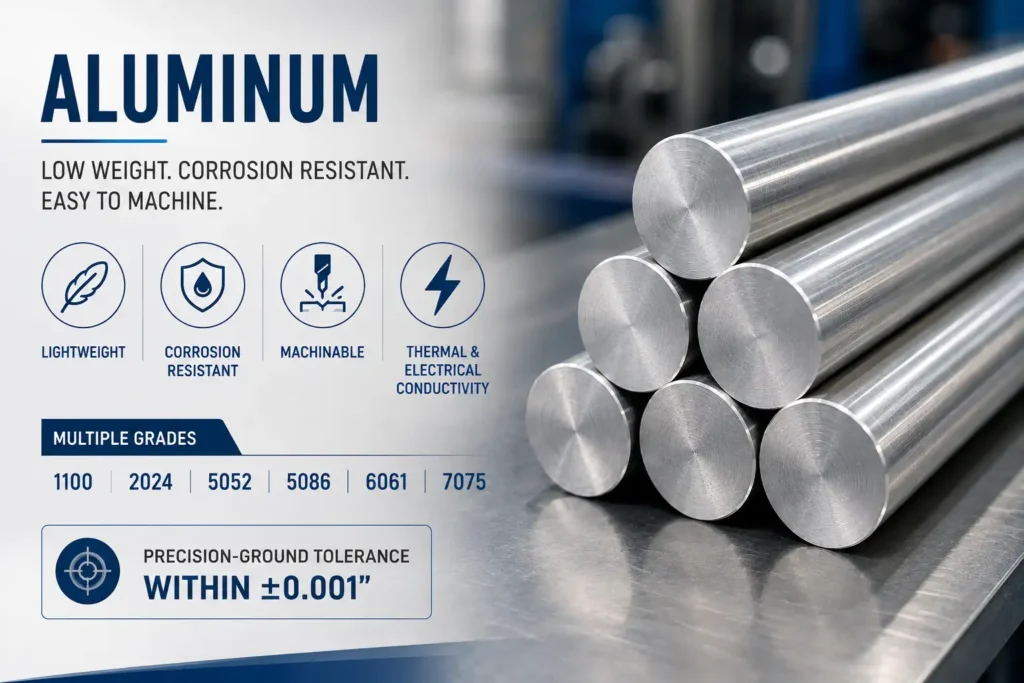
Our aluminum round bar range includes 1100, 2024, 5052, 5086, 6061, 6063, and 7075.
The documented characteristics of aluminum in our material range include low weight, corrosion resistance, machinability, and thermal and electrical conductivity.
Individual grades also serve different application contexts. 2024 is listed for aerospace applications, 5052 for marine and transportation work, 5086 for shipbuilding and saltwater environments, 6061 across aerospace, automotive, and structural work, and 7075 for very high strength aerospace and high-performance applications.
Our stated precision-ground aluminum tolerance is within ±0.001″.
For a machined component, this gives you a clearer decision sequence: determine whether aluminum’s documented characteristics fit the application, then select the grade, followed by the required ground dimensions.
Use Brass, Bronze, and Copper According to Their Distinct Functions
These three material families should not be grouped together simply because they are non-ferrous.
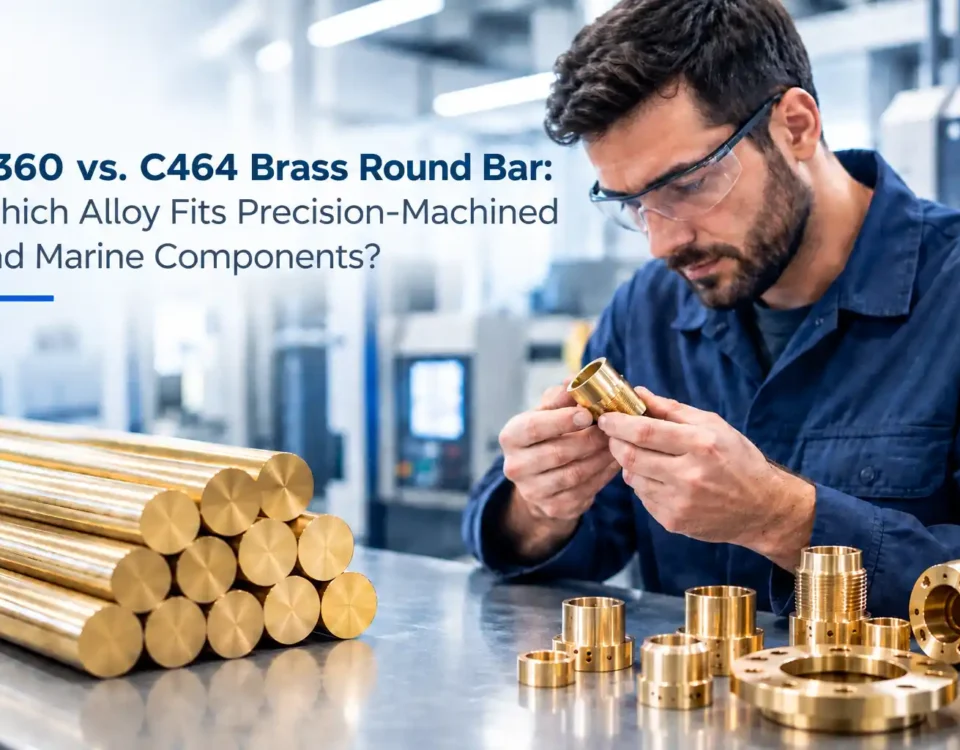
Brass offers documented machinability, corrosion resistance, and electrical conductivity. C360 Free-Machining Brass, for example, is listed for precision components and valves.
Bronze is characterized by low friction, wear resistance, and corrosion resistance. Our bronze range includes phosphor, aluminum, silicon, manganese, and bearing bronze grades. Applications include bushings, bearings, gears, shafts, pumps, and marine components.
Copper is primarily differentiated by high electrical and thermal conductivity. Our copper grades include C10100, C10200, C11000, C12200, C14500, and C14700. C14500 Tellurium Copper is specifically identified for high machinability and electrical connector applications.
For these families, the function of the component usually provides the strongest starting filter.
Evaluate Titanium and Tool Steel for More Specialized Component Requirements
Titanium selection changes significantly by grade.
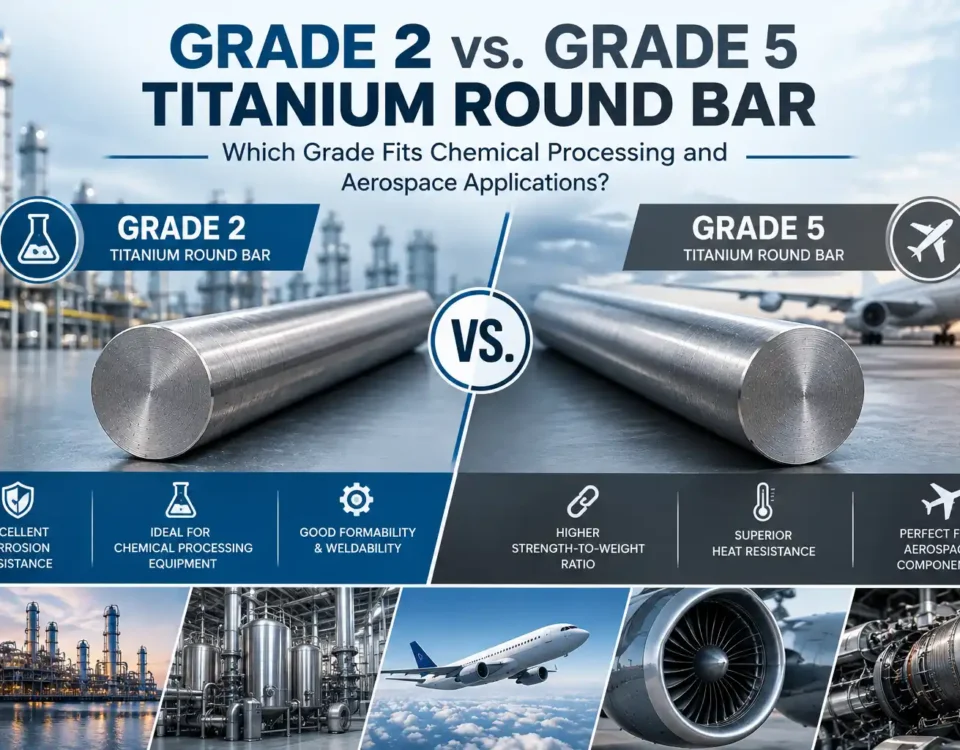
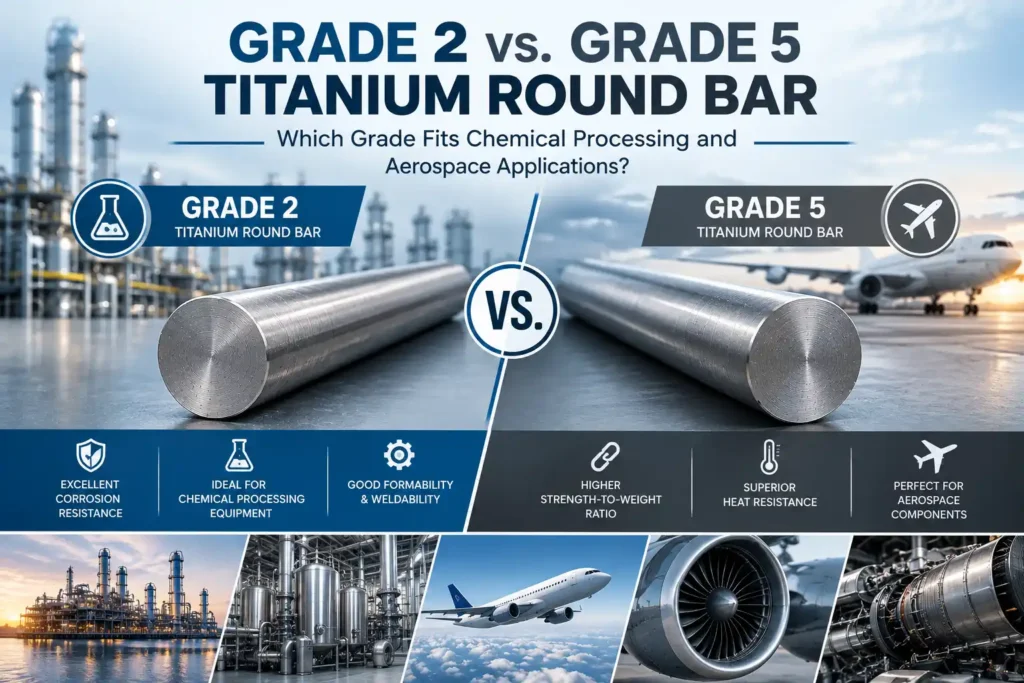
Our commercially pure titanium range includes Grades 1 through 4, while alloy grades include Grade 5 Ti-6Al-4V, Grade 6 Ti-5Al-2.5Sn, Grade 7 Ti-0.2Pd, Grade 9 Ti-3Al-2.5V, and Grade 23 Ti-6Al-4V ELI.
Applications across these grades include aerospace, medical devices, chemical processing, marine, and automotive components.
Tool steel requires a different selection framework. O1 is listed for wear resistance and machinability, A2 for toughness and dimensional stability, D2 for wear resistance, M2 for heat resistance in cutting tools, and H13 for hot-work applications such as dies and molds.
Our precision-ground tool steel tolerance is stated at ±0.001″ or better.
The grade should therefore follow the actual working requirement of the component rather than the broad material family name alone.
Treat Tolerance and Surface Condition as Part of Material Selection
Selecting the alloy is only one part of specifying bar stock for machining.
Precision Ground Metals supplies precision-ground bars, ground and polished bars, turned, ground and polished bars, bearing shaft quality bars, pump shaft quality bars, and accuracy stock. We also provide straightening, chamfering, custom cutting, packaging, and shipping.
The tolerance requirement should stay connected to the exact material being ordered. Our documented examples include:
- Stainless steel: h6, h7, or h8, with Ra 0.2 to 0.8 µm
- Alloy steel: ±0.0005″ or better
- Precision-ground carbon steel: ±0.0005″ or better
- Aluminum: within ±0.001″
- Tool steel: ±0.001″ or better
These values should not be treated as interchangeable across every material.
Put the Full Requirement Into the RFQ
A useful material request should identify the component requirement before the purchase is finalized.
For a precision-ground round bar order, consider providing:
- Material family
- Specific grade
- Required bar form
- Required diameter
- Dimensional tolerance
- Surface finish requirement, when applicable
- Straightness requirement, when applicable
- Required cut length
- Application or component type
- Required compliance or sourcing information
- Any special request notes
Precision Ground Metals’ Request A Quote process includes a Material of Interest field and Special Request Notes, which gives buyers a place to communicate application-specific requirements.
Selecting the right precision-ground round bar material is therefore a sequence rather than a single grade decision. Start with what the machined component must do, narrow the material family according to documented properties, choose the appropriate grade, and then specify the bar condition, tolerance, finish, and value-added processing required for the job.
We supply ferrous and non-ferrous round bar materials for industries including precision machining, aerospace and defense, automotive manufacturing, medical devices, tool and die, hydraulic and pneumatic systems, marine applications, robotics, electronics, and chemical processing. If you have a print, material requirement, or application-specific specification, submit it through our Request A Quote form so we can review the material and processing requirements together.
FAQs
What materials are available for precision-ground round bar components?
Precision Ground Metals works with stainless steel, alloy steel, carbon steel, aluminum, brass, bronze, copper, titanium, and tool steel, with multiple grades available within each material family.
Should I choose the material family or the grade first?
Start with the material family that matches the component’s required documented characteristics and application, then narrow the selection to the appropriate grade and bar condition.
Are precision-ground tolerances the same for every material?
No. Published tolerances vary by material. Alloy steel and precision-ground carbon steel are listed at ±0.0005″ or better, aluminum within ±0.001″, and tool steel at ±0.001″ or better. Stainless steel uses h6, h7, and h8 tolerance classes.
Can Precision Ground Metals process the bar before shipment?
Yes. Verified value-added services include straightening, chamfering bar ends, custom cutting, packaging, and shipping.
What information should I provide when requesting a quote?
Identify the material or grade you need and include any special requirements such as dimensions, tolerance, surface finish, straightness, cut length, application information, or other purchasing specifications.