How Alloy Steel Precision Ground Bars Support High Strength Industrial Components
October 25, 2026
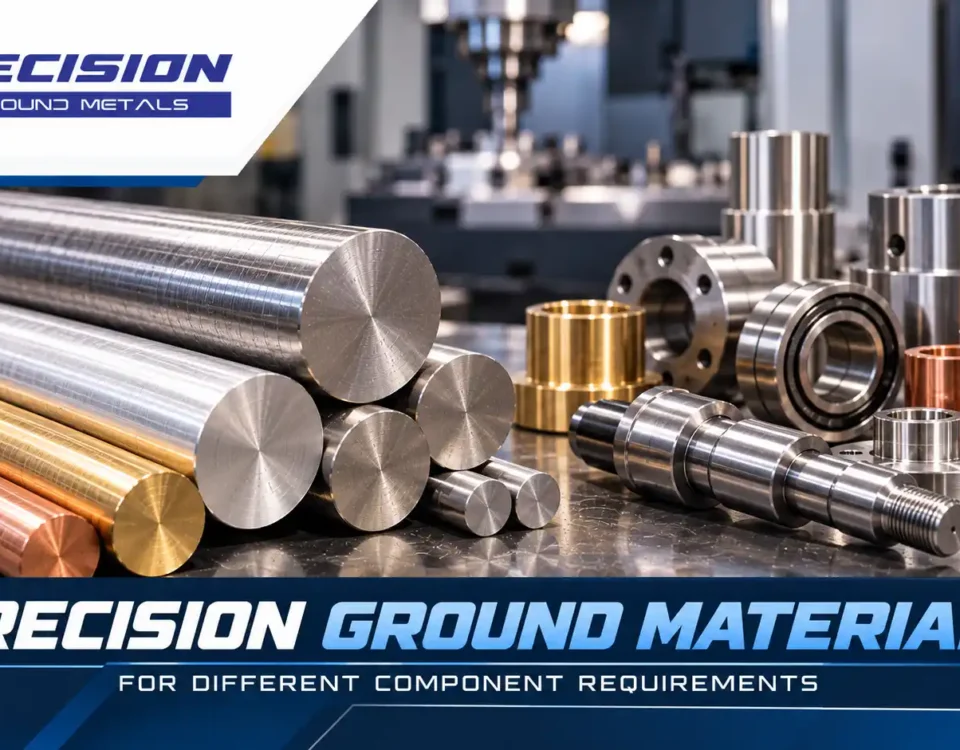
How Manufacturers Select Precision Ground Materials for Different Component Requirements
October 29, 2026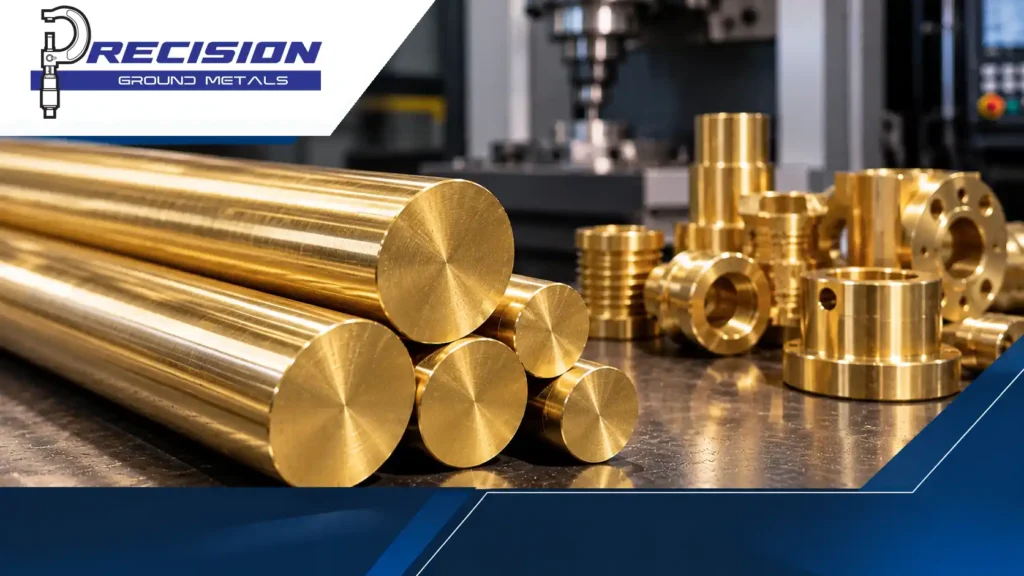
Brass rarely gets picked by accident. When a print calls for it, there’s usually a reason: the part has to machine cleanly, resist corrosion, carry current, or look right once it’s installed. The trick is knowing which brass grade lines up with which job, because the alloys aren’t interchangeable.
We’re Precision Ground Metals, Inc. in Palos Hills, IL, and we’ve spent more than 30 years in the steel industry and grinding. We supply brass rounds as round bars and precision ground bars. Below is how we’d match common brass grades to the applications they’re known for, so your next order starts with the right alloy.
Matching Brass Round Stock to the Job
Choosing brass round stock starts with understanding the part’s intended application and the properties required for the job. At Precision Ground Metals, we supply brass rounds in multiple grades. Knowing how those grades are commonly used can help you prepare more specific material requirements before you order.
What makes brass round stock worth specifying?
Brass brings three properties that matter on the shop floor and in the field: good machinability, corrosion resistance, and electrical conductivity. Put those together and you get a material that shows up across precision machining, plumbing and fittings, automotive and aerospace work, electrical connectors, and decorative or architectural elements.
What separates one grade from the next is chemistry. Copper and zinc make up the primary elements in the brass grades discussed here, but their proportions vary, and some grades also contain lead or tin.
Which brass grade fits precision components and valves?
C360, also known as free machining brass, is made of 61.5% copper, 35.5% zinc, and 3% lead, and it’s used for precision components and valves. If you’re specifying brass for precision components, C360 is the first grade to look at.
Which grades show up in plumbing, fittings, and fasteners?
Two grades lead here. C260, also called cartridge brass, is 70% copper and 30% zinc, and it’s used for plumbing and fasteners as well as ammunition. C230, known as red brass, runs 85% copper and 15% zinc and is used in plumbing and electrical connectors.
What about electrical connectors?
Brass’s electrical conductivity is part of why it appears in connector work. Among our grades, C230 red brass is specifically associated with electrical connectors, and connectors are one of the main applications for brass rounds overall.
If electrical conductivity is the main requirement, copper may also be worth considering, and we supply copper rounds alongside brass.
Which grades work for marine hardware and heat exchangers?
C464, called naval brass, is 60% copper, 39% zinc, and 1% tin, and it’s used for marine hardware and heat exchangers. C280, also known as Muntz metal, is 60% copper and 40% zinc and is used in marine and architectural applications.
For marine parts, the operating environment and the component’s function will usually decide between the two.
Which grades suit architectural and decorative pieces?
Appearance counts on some parts. C385 architectural bronze contains 57% copper, 40% zinc, and 3% lead and is used for architectural hardware. C220 commercial bronze contains 90% copper and 10% zinc and is used for decorative pieces and jewelry. C280 also crosses into architectural work.
Round bars or precision ground bars?
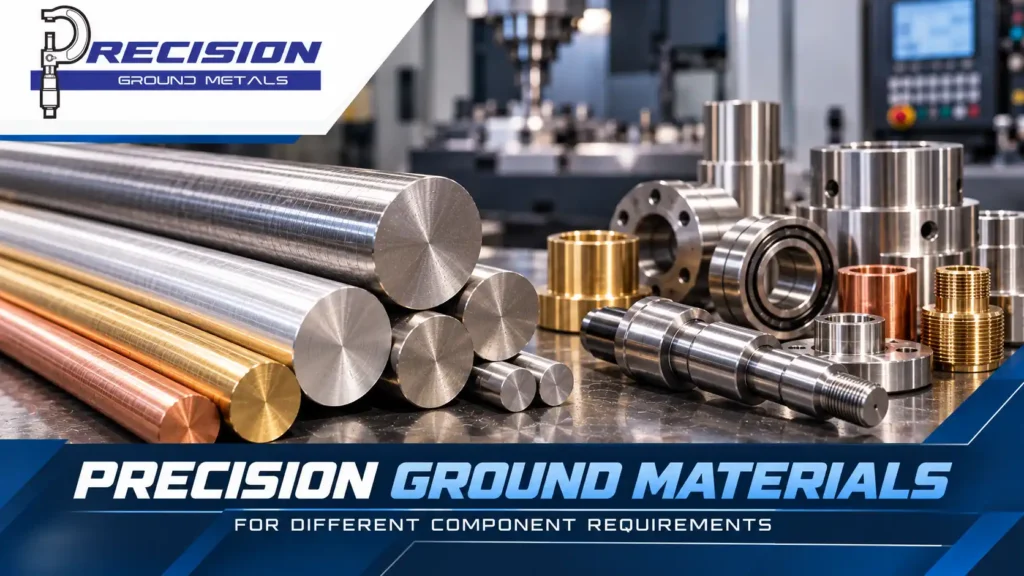
We supply brass both ways. Our precision ground bars are intended for applications requiring close dimensional control, including Swiss machining. If your project calls for precision ground brass, the grade and tolerance on your print are the two details we’ll need first.
How can the bar arrive ready to use?
Beyond supplying bar stock, we offer straightening, chamfering, and custom cutting services. Protective packaging keeps the material in condition during transit, and we deliver to your location.
We supply material with DFARS, REACH, and RoHS compliance, and most of our materials are domestically made. Some grades, including C360 and C385, contain lead, so compliance needs to be confirmed for each grade before selection. If your brass order carries any of those requirements, tell us up front.
What details help us quote your brass order?
Beyond your contact details and material of interest, the special request notes are where the order takes shape: the grade, whether you need round bars or precision ground bars, the tolerance, lengths, and any straightening, chamfering, or cutting.
Let’s Find the Right Brass for Your Part
If you’re deciding between C360 for valves, C464 for marine hardware, or something else entirely, send us the print and tell us where the part is going. We’ll help you match the grade to the job. Call (708) 400-7217, email sales@precisiongroundmetals.com, or fill out our Request A Quote form.
FAQs
Which brass grades do you carry?
We carry C260 cartridge brass, C360 free machining brass, C464 naval brass, C220 commercial bronze, C230 red brass, C280 Muntz metal, and C385 architectural bronze.
Which brass grade is used for precision components?
C360 free machining brass is used for precision components and valves.
Do you offer precision ground brass bars?
Yes. We supply brass as both round bars and precision ground bars. Share your tolerance requirements in the quote request so we can confirm availability for your grade.
Can you cut and prep brass bars before shipping?
We offer straightening, chamfering, custom cutting, protective packaging, and delivery to your location.