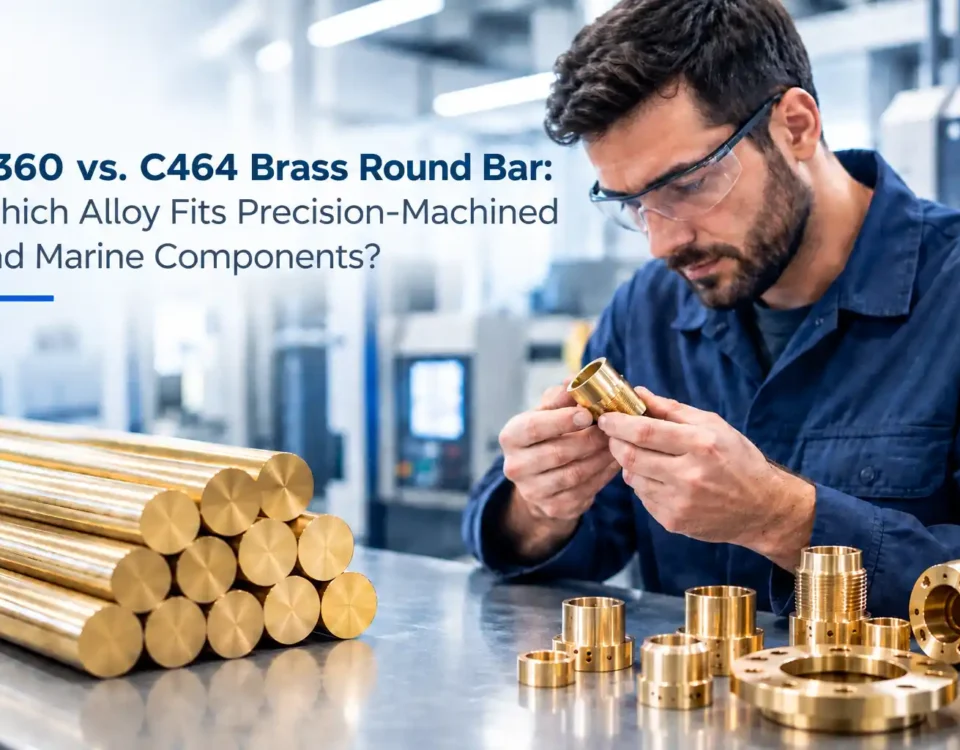

C360 vs. C464 Brass Round Bar: Which Alloy Fits Precision-Machined and Marine Components?
September 15, 2026
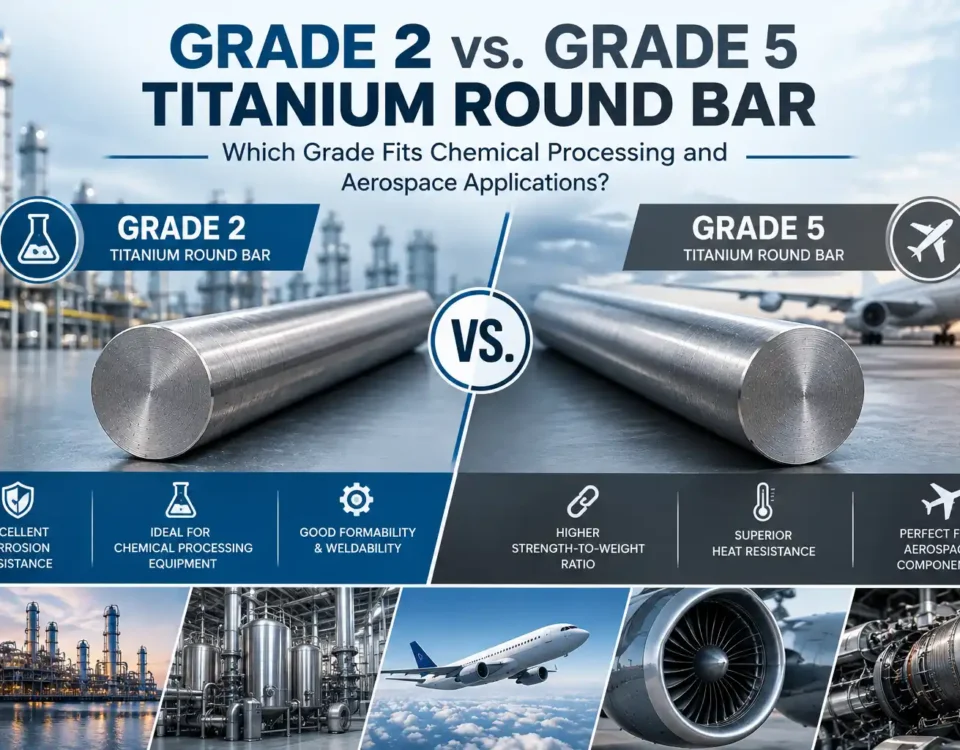
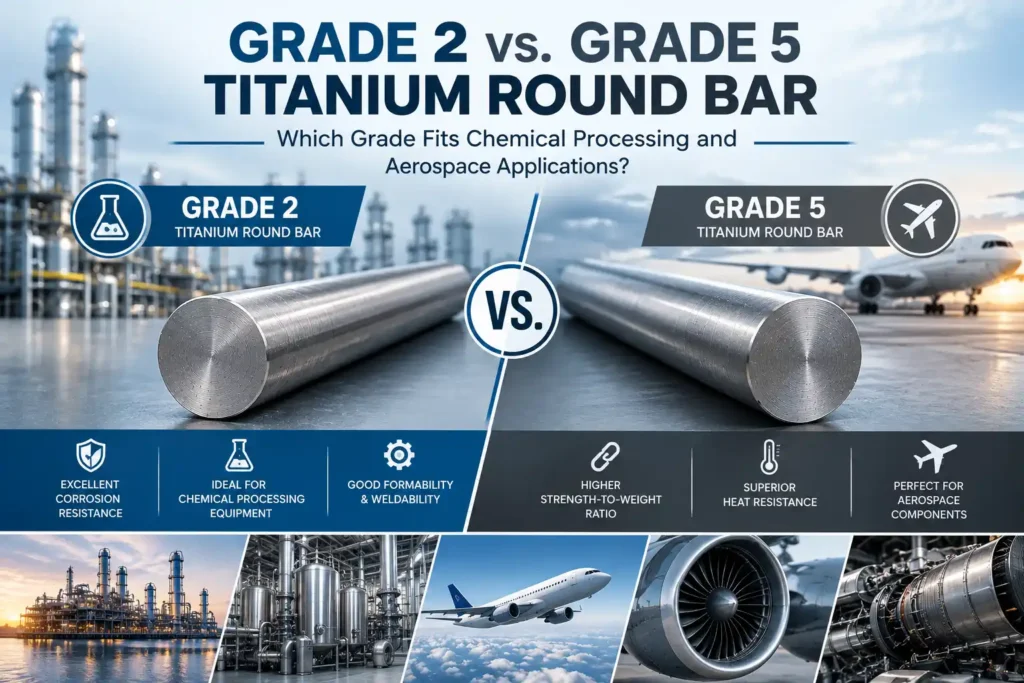
Grade 2 vs. Grade 5 Titanium Round Bar: Which Grade Fits Chemical Processing and Aerospace Applications?
September 19, 2026
At Precision Ground Metals, Inc., we specify C145 tellurium copper round bar when an electrical component needs high conductivity and better machinability than a pure-copper starting point may provide. C145 is a tellurium copper grade that combines good machinability with high conductivity. We consider it for applications such as electrical connectors and switch components where both electrical performance and precision machining matter.
We do not select C145 from the grade name alone. We also define the component function, current or heat path, machined features, diameter, tolerance, straightness, surface finish, quantity, inspection needs, and any downstream joining or assembly requirement. A clear specification lets us review the alloy and the precision-ground bar together.
What C145 adds to an electrical component decision
C14500 contains approximately 0.4-0.7% tellurium. We consider this grade when a copper round bar needs to support both electrical performance and precision-machined features. Its combination of good machinability and high conductivity makes it particularly relevant for components where those requirements must work together.
We use C145 for technical review when the part includes turned diameters, holes, slots, threads, contact surfaces, or other features that require controlled machining. We still ask for the electrical and mechanical requirements because “high conductivity” does not define every current, temperature, connection, or contact condition.
When we place C145 ahead of other copper grades
We place C145 ahead when machining is a meaningful production constraint and the component must retain high conductivity. We also compare C145 with other copper grades, such as C101 and C110, based on the complete component requirement rather than assuming one grade fits every design.
For a connector or switch component, we ask which surfaces carry current, which features are machined, and what dimensional fit the assembly requires. If conductivity is the only priority, another copper grade may deserve review. If machinability and conductivity must work together, C145 becomes a focused option for confirmation.
Machined electrical components need a complete bar specification
The alloy addresses material behavior, but the bar specification controls the incoming shape used by your machining process. We provide precision-ground copper bars with tight dimensional tolerances for industrial, electrical, and manufacturing applications where conductivity and precise sizing are essential.
Diameter and tolerance
We state whether the requested diameter is the incoming precision-ground size or the finished component size. We can precision-grind copper bars to specific dimensions, typically within a few thousandths of an inch. We use your drawing to confirm the exact dimensional limits, fit, and inspection method required for the part.
Straightness and surface finish
Straightness can affect how a round bar is held, turned, drilled, or aligned during assembly. Surface finish can affect contact preparation, fit, friction, and later finishing. We list those requirements separately from diameter tolerance so the quality team knows what to inspect and we know which processing route to review.
Electrical and thermal requirements
Copper round bar can provide high electrical and thermal conductivity, along with corrosion resistance and dimensional accuracy. We ask you to specify the conductivity or thermal requirement that applies to the component, along with any operating temperature or connection condition that matters. We do not convert a general conductivity statement into an unverified performance guarantee.
How we evaluate C145 for connectors and switches
For an electrical connector, we review the current-carrying surfaces, machined geometry, assembly fit, and required finish. For a switch component, we also ask how the part moves or contacts its mating surface and which dimensions control that action. C145’s combination of good machinability and high conductivity makes it relevant to both applications, but the drawing and service conditions determine whether it is suitable for the specific component.
We keep the component context narrow. C145 is well suited for review when the application involves electrical connectors or switch components, while other copper applications may include electronic components, conductors, bus bars, heat exchangers, and precision-machined parts. We use the specific application to guide the material review rather than assuming that every copper grade or component has identical requirements.
Centerless grinding and inspection
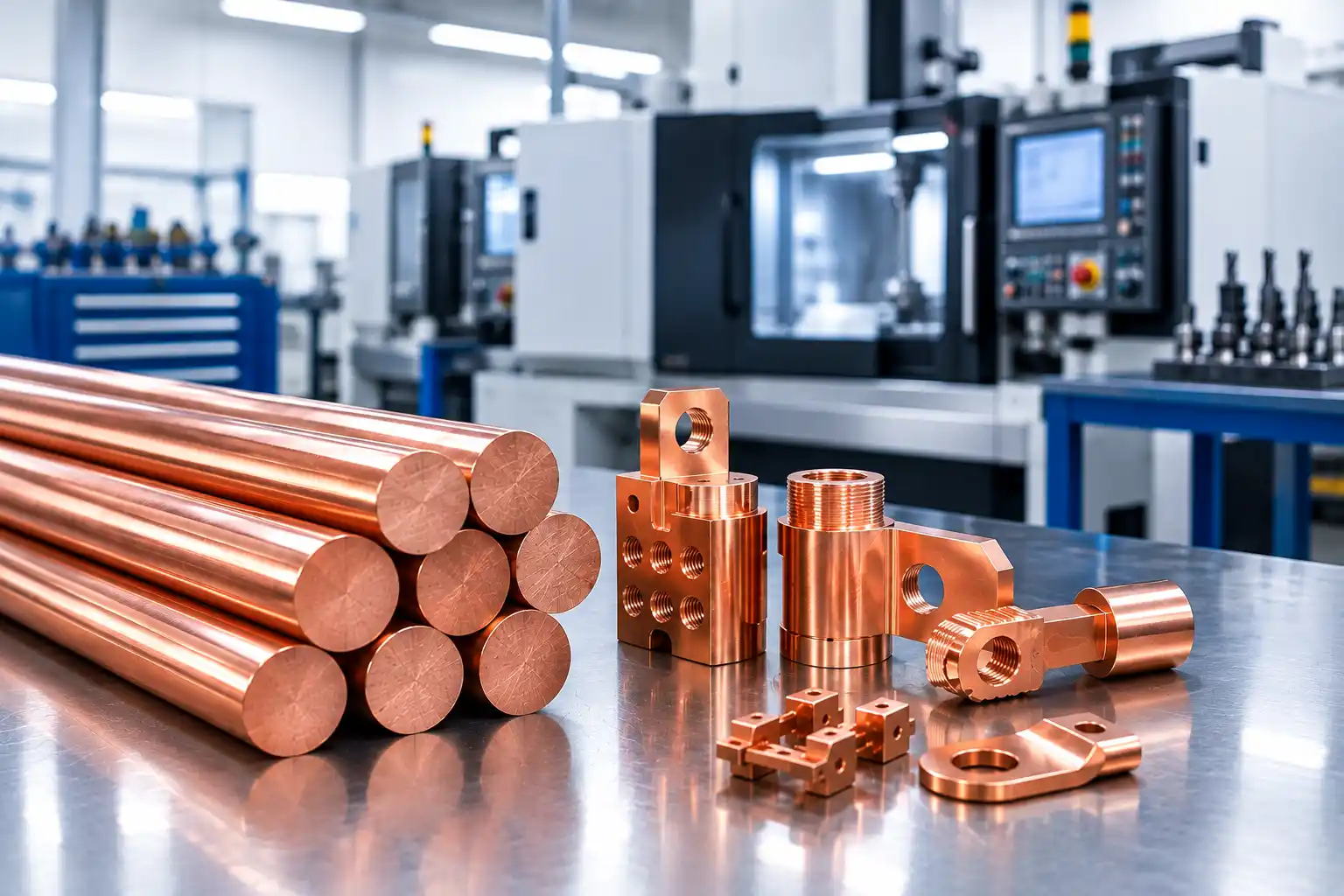
Centerless grinding can provide a consistent diameter, smooth surface, and straight bar for the next machining step. We provide precision-ground copper bars for high-precision machining and electrical applications. We tie the grinding request to measurable drawing requirements such as diameter, tolerance, straightness, surface finish, and cut length.
Before shipment, we ask that the requested inspection and testing be clear. If your quality plan requires a specific report, lot identification, or dimensional record, place that requirement in the RFQ. This avoids treating a general material description as a complete quality plan.
What we include in an RFQ for C145
We send the exact grade, nominal diameter, tolerance, straightness, surface finish, cut length, quantity, component use, conductivity requirement, machining priority, and inspection needs. We also state whether cutting, chamfering, finishing, polishing, packaging, or shipping support is required.
Use our Request a Quote path to submit the drawing and application details. If you are comparing copper families, review the broader materials selection and identify which properties your engineering team has approved.
Final decision
We specify C145 tellurium copper round bar when a machined electrical component needs good machinability while retaining high conductivity. The grade is especially relevant to applications such as electrical connectors and switch components. We confirm the electrical, dimensional, surface, straightness, mechanical, and inspection requirements before approving the incoming precision-ground bar.
FAQs
What is C145 tellurium copper?
C14500 is tellurium copper listed with approximately 0.4-0.7% tellurium, good machinability, and high conductivity.
When should you specify C145?
We specify it when a machined electrical component needs good machinability while retaining high conductivity.
Is C145 used for connectors?
Yes. We consider C145 for electrical connectors and switch components where good machinability and high conductivity are important.
What dimensions should you provide?
Provide the incoming diameter, tolerance, straightness, surface finish, cut length, quantity, and finished-part drawing.
Can C145 be precision ground?
Yes. We provide precision-ground copper bars with tight dimensions for electrical and high-precision machining applications.
How do you request a quote?
Send the grade, drawing, dimensions, conductivity need, quantity, and inspection requirements through Request a Quote.